

In a crowded electronics market, products that solve precise, real-world problems tend to outperform those that rely on vague promises. Smart mobile signal jammers sit firmly in that ****-demand category. They are not just devices; they are tools that offer control in environments where signal discipline matters. For sellers, understanding how to position such products is less about hype and more about clarity, use-case precision, and trust.
Customers who look for Smart mobile signal jammers are rarely casual browsers. They usually have a clear purpose—whether it's maintaining privacy in sensitive environments, ensuring focus in restricted spaces, or preventing unauthorized communications. This clarity of intent means your messaging must be equally sharp. Avoid generic claims and focus instead on **** the product actually does, how it performs, and why it’s reliable.
A similar principle applies when presenting GPS signal Jammers. Buyers in this segment are often concerned with location privacy or controlled testing environments. They are not looking for exaggerated claims; they want assurance. Sellers who emphasize stability, portability, and ease of use tend to gain more traction than those who rely on overly technical jargon without practical context. When describing GPS signal Jammers, grounding your language in real scenarios—fleet testing, privacy protection, or signal interference management—helps bridge the gap between product and purpose.
Trust is the currency that converts interest into purchase. For example, when introducing a Hidden USB WiFi Internet Jammer, the discreet design becomes just as important as functionality. Buyers are drawn to products that integrate seamlessly into their environment. Highlighting the compact form factor, ease of deployment, and subtle operation can significantly improve conversion rates. Rather than overloading the description, focus on how a Hidden USB WiFi Internet Jammer fits naturally into everyday use without drawing unnecessary attention.
The same goes for portability-focused devices like the Mini radio signal Jammer. This type of product appeals to users who prioritize flexibility and convenience. Instead of positioning it as just another gadget, frame it as a practical solution for dynamic environments. A Mini radio signal Jammer that is lightweight, easy to carry, and simple to operate offers immediate value. Sellers who clearly communicate these benefits tend to resonate more effectively with buyers who need quick, reliable solutions.
To strengthen your product positioning, consider structuring your messaging around key buyer concerns:
Performance reliability: Customers want devices that work consistently without complicated setup.
Ease of use: Clear instructions and intuitive design reduce hesitation and increase satisfaction.
Incorporating these elements when discussing Smart mobile signal jammers or GPS signal Jammers helps align your product with buyer expectations. It’s not about listing features—it’s about translating those features into outcomes that matter.
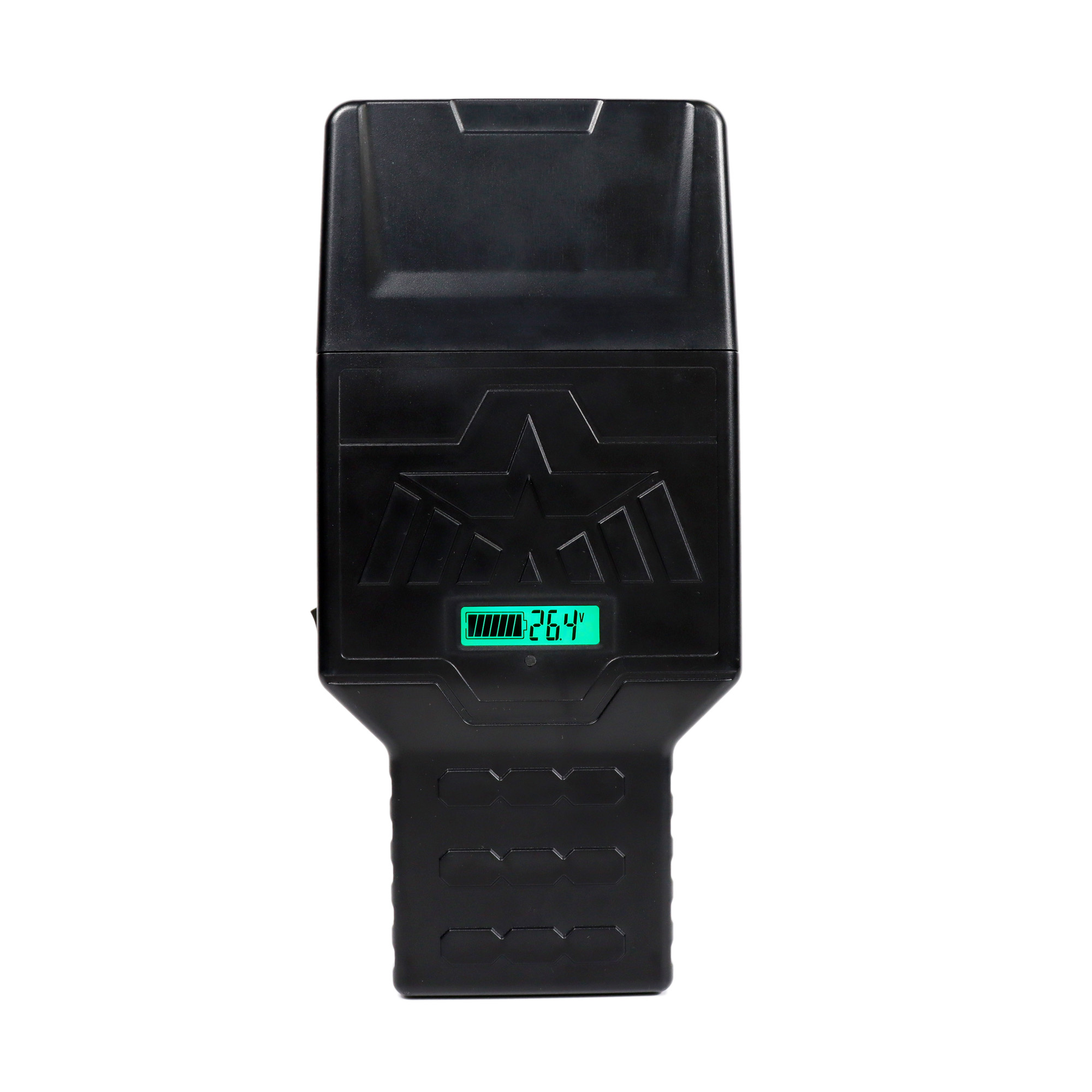
Another important factor is differentiation. Many listings blur together because they repeat the same phrases without adding substance. When presenting a Hidden USB WiFi Internet Jammer, for instance, emphasize **** sets it apart. Is it quieter in operation? Does it have a longer effective range? Is it more energy-efficient? Specificity builds credibility. The same approach applies to a Mini radio signal Jammer—highlight **** makes it a better choice compared to alternatives, even if the difference seems small.
Language also plays a crucial role. Overly exaggerated claims can erode trust quickly. Buyers in this niche tend to be detail-oriented and skeptical of unrealistic promises. Instead of saying a product is “the best,” show why it’s dependable. For example, when describing Smart mobile signal jammers, focus on consistent performance, build quality, and practical usability. This grounded approach feels more authentic and persuasive.
Distribution of information matters as well. Don’t cluster all key selling points in one section. Spread them naturally throughout your content so the reader stays engaged. Mention GPS signal Jammers in different contexts—privacy, testing, controlled environments—to reinforce their versatility without sounding repetitive. Similarly, weave references to a Hidden USB WiFi Internet Jammer into discussions about design, convenience, and integration.
From a seller’s perspective, emotional resonance is just as important as technical clarity. Buyers want to feel confident in their decision. They want to know that the product will do exactly **** they expect, without complications. When you describe a Mini radio signal Jammer, connect it to that sense of assurance—something that works when needed, without fuss.
Consistency across your messaging builds long-term trust. If your product descriptions, titles, and supporting content all reinforce the same core strengths, buyers are more likely to remember and return. Whether it’s Smart mobile signal jammers or GPS signal Jammers, a consistent narrative makes your brand more recognizable and reliable.
Finally, avoid the temptation to overcomplicate. Clear, direct language often outperforms dense technical descriptions. When presenting a Hidden USB WiFi Internet Jammer, simplicity helps the buyer quickly understand its value. The same clarity should guide how you talk about a Mini radio signal Jammer—**** it does, how it works, and why it matters.
Conclusion
Selling specialized devices requires more than just listing features—it requires understanding the buyer’s mindset. Products like Smart mobile signal jammers, GPS signal Jammers, Hidden USB WiFi Internet Jammer, and Mini signal Jammer succeed when they are presented with clarity, honesty, and purpose. By focusing on real use cases, emphasizing reliability, and communicating value without exaggeration, sellers can build trust and stand out in a competitive market. In the end, it’s not about saying more—it’s about saying **** matters, and saying it well.


